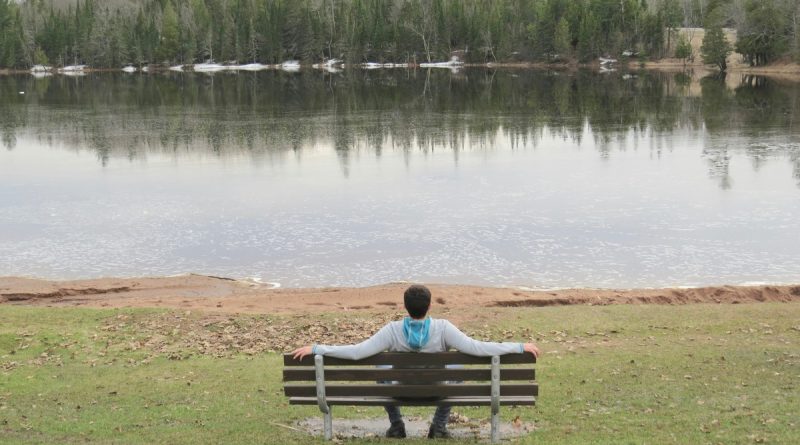
Feeling Lost at 30: 7 Honest Truths About Starting Over
Feeling lost at 30 is far more common than most people admit. Turning 30 is supposed to feel like a milestone, but for many, it does not feel like progress at all. Instead, it brings a heavy sense of regret, comparison, and fear that time has run out. A recent public discussion revealed how widespread this experience is, especially among those who spent much of their twenties feeling stuck, isolated, or unsure of themselves.
What stood out was not laziness or a lack of intelligence, but exhaustion. Emotional exhaustion. Social exhaustion. The kind that quietly builds when years pass without momentum, and every attempt to change feels harder than the last.
Yet the discussion also revealed something else. Many people who once felt exactly the same eventually found a way forward, not through dramatic transformations, but through small, uncomfortable steps taken consistently.
The Myth of the “Wasted” Decade
One of the strongest themes was the belief that the twenties are the “best years” of life. Many people shared how damaging this idea can be. When life does not match that expectation, it creates shame instead of clarity.
Several people pointed out that their twenties were not productive or joyful at all. They were years of confusion, avoidance, mental health struggles, and trial-and-error. Only later did those years begin to make sense. What felt like wasted time turned out to be time spent surviving, learning boundaries, or simply staying afloat.
The discussion revealed that regret often comes from comparison, not reality. Looking at others who appear settled can make any path feel like failure, even when progress is happening quietly.
Avoidance Is Not a Character Flaw
Many people related to the pattern of avoiding responsibility, social interaction, and long-term commitments. This was not framed as immaturity, but as a coping mechanism.
Avoidance often develops when the world feels overwhelming. When every interaction feels like a test and every job feels like a threat, retreat can feel like the only safe option. Over time, however, avoidance shrinks life. The longer it lasts, the harder it becomes to re-enter the world.
Several perspectives emphasized that avoidance is not laziness. It is usually fear mixed with low self-trust. The problem is not that someone cannot function, but that they no longer believe they can.
Why Motivation Rarely Comes First
A common mistake people described was waiting for motivation before acting. Many admitted they delayed jobs, courses, or lifestyle changes because they did not “feel ready.”
The discussion repeatedly challenged this idea. Motivation often follows action, not the other way around. People who eventually moved forward did so while still anxious, insecure, and uncertain. What changed was not how they felt, but what they did despite those feelings.
Small commitments played a big role. A daily walk. A short run. Sitting in a café instead of staying home. A part-time job that was tolerable, not perfect. These actions slowly rebuilt confidence, which then made larger steps possible.
Social Skills Are Skills, Not Traits
Another important insight was around social ability. Many people believed they were inherently bad with people, broken, or incapable of connection. Others pushed back strongly against this idea.
Social skills are learned through exposure, repetition, and failure. Several people shared how they once avoided speaking, eye contact, or phone calls, only to later function normally after gradual practice. Progress did not come from personality changes, but from training.
Some started with low-pressure environments. Online conversations. Casual interactions with strangers. These settings reduced fear and allowed skills to develop without the weight of judgment.
Why Feeling Lost at 30 Can Create Decision Paralysis
For many, feeling lost at 30 led to paralysis. Should they learn a trade, study something new, move abroad, or start over completely? The fear of choosing wrong often resulted in choosing nothing at all.
The discussion highlighted that there is rarely a perfect path. Most people who found stability did not follow a master plan. They made imperfect choices, adjusted along the way, and changed direction when needed.
What mattered was movement, not precision. Standing still while waiting for certainty only deepened regret. Action, even flawed action, created information and self-trust.
Self-Talk Can Make or Break Progress
One of the most powerful themes was internal dialogue. Many people realized they were far harsher on themselves than anyone else ever was.
Thoughts like “I am weak,” “I am behind,” or “I ruined my life” became constant background noise. Some shared how learning to notice and interrupt these thoughts changed everything.
This did not mean forced positivity. It meant reducing self-abuse. Treating oneself as a work-in-progress rather than a lost cause. People who made progress learned to speak to themselves with discipline and compassion at the same time.
Starting Late Is Still Starting
Perhaps the most comforting takeaway was that many people did not begin building stable lives until their thirties. Some later. They worked, dated, moved out, and developed confidence after years of stagnation.
The discussion revealed that timelines are far more flexible than social narratives suggest. Life does not close at 30. It opens when someone decides to participate in it, even imperfectly.
The past cannot be changed, but it does not have to define the future. Starting now is not a failure. It is the only option anyone ever has.
Discussion Context
This article reflects perspectives and experiences shared by redditors in a public discussion about feeling stuck, regretful, and lost after turning 30.
Disclaimer
This article reflects general opinions and personal experiences shared in a public discussion. It is not professional medical, psychological, or career advice.
Source Link
[30M] I’ve wasted my 20s. What should I do?
Also Read
MBA Graduates Struggling to Get Hired: 7 Hard Truths From the Debate
